Wicketkeeper or Slip Fielder: Two Jobs Behind the Batter
Learn the difference between a wicketkeeper and slip fielder by following their positions and seeing which catches each is expected to take.
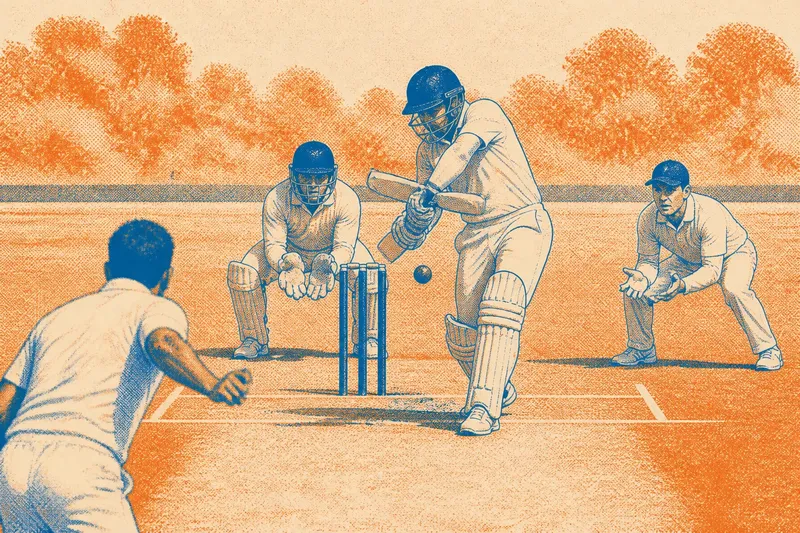
Where should you look when a fast ball passes the bat: at the wicketkeeper or the slip fielder? The difference between a wicketkeeper and slip fielder is easiest to see by following an invented delivery from the bowler’s run-up to its result.
Starting positions
Imagine a right-handed batter facing a right-arm fast bowler on a dry pitch. The captain places a wicketkeeper behind the stumps and a first slip to the keeper’s off side. The off side is the side in front of the batter’s body as they take their stance; for this right-handed batter, it is on the bowler’s left as the ball travels towards the crease.
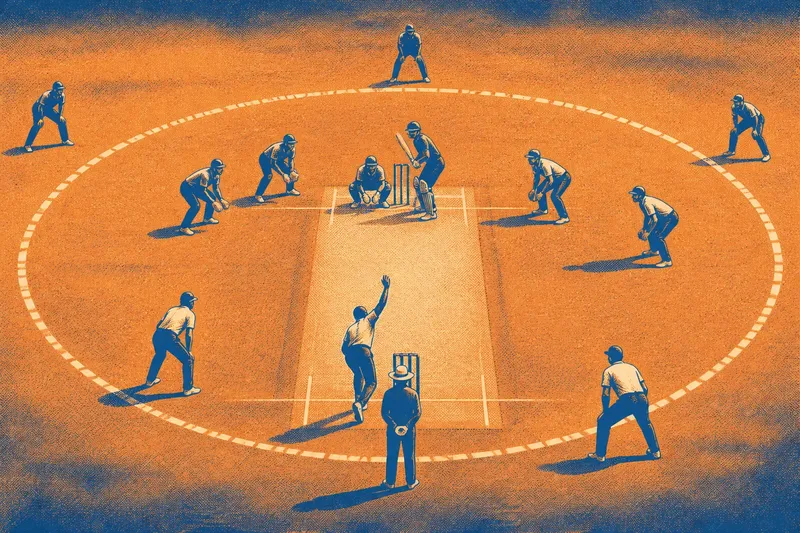
The wicketkeeper crouches directly behind the wicket, with the stumps between the keeper and the bowler. The first slip stands to the keeper’s off side, near the line where an outside edge might travel. The space between them gives each room to move and leaves both ready for a ball that deviates after pitching.
These are working positions, not fixed marks. The keeper may stand closer when the ball is expected to arrive more slowly, or move back when pace or bounce makes a deeper position sensible. Slips can shift too, and the captain may add or remove them. The basic distinction remains: the keeper is centred behind the stumps; slips form a catching cordon beside the keeper on the off side.
The bowler’s plan
In this invented situation, the bowler aims a good-length ball outside the batter’s off stump. A good length makes the batter decide whether to play forward or defend, rather than offering a comfortable drive or pull. The bowler hopes the ball will move away after pitching and tempt the batter to reach for it.
The captain has chosen one slip because an outside edge is possible, but has placed other fielders elsewhere. The wicketkeeper prepares for the ball’s path behind the stumps; the slip watches for a deflection travelling towards the cordon. Both track the delivery, but they are ready for different routes.
Before the ball is bowled, notice each player’s balance. The keeper is low, weight forward and hands ready to move either way. The slip is poised with room to take a catch in front of the body. Both must react without committing too early.
Reading the edge
The batter defends, but the ball moves away late and brushes the outside edge. It flies quickly at about chest height towards first slip. The keeper moves across, but the slip has the clearer angle and takes the catch in front.
The slip’s central job is to catch edges that travel away from the batter towards the cordon. A slip watches the bat and ball, then reacts to the deflection. The position is close enough to cover a quick edge, while the gap from the keeper allows room to move and catch.
The wicketkeeper is not simply waiting for the slip to miss. The keeper follows the ball as it passes the bat, ready for a ball that travels straight behind the stumps, takes a different edge, or misses the bat. The keeper also gathers deliveries and helps prevent byes: runs awarded when the ball passes the batter and wicketkeeper without being struck and the batters complete them.
Think of the keeper as a tray beneath a stream of moving balls, and the slips as hands placed along one side to catch a particular spray. The analogy is imperfect, but it shows the division: the keeper covers a broad space behind the wicket, while each slip is positioned for a narrower route.
When the ball misses
Now imagine another delivery. The batter leaves it, judging that it will pass outside off stump. The ball does not touch the bat. The wicketkeeper receives it cleanly behind the stumps, while the slip stays ready but has no catch to attempt.
This is ordinary but important keeper work. The keeper judges pace, bounce and movement, then collects the ball without letting it escape far behind. If it moves sharply, the keeper shifts sideways; if it bounces unexpectedly, the hands and body adjust. The position directly behind the wicket makes this coverage possible.
A slip has a more specialised role. The fielder is not stationed to collect every ball the batter leaves or to cover the full space behind the stumps. The slip is ready for a catchable edge, especially one travelling towards the off-side cordon. If the ball passes through untouched, the keeper ordinarily takes responsibility for stopping it.
When the edge goes low?
Can the keeper take a catch?
Yes. If an edge travels behind the batter and towards the stumps, the keeper may take it. The keeper’s central position gives access to catches on either side, though a slip may have a clearer route when the edge flies towards the off-side cordon.
Why does a slip stand to the side?
A slip stands beside the keeper to cover the route of an outside edge that carries away from the bat. The offset also leaves the keeper a direct line behind the stumps and reduces the chance of the fielders obstructing one another.
Does every team use a slip?
No. A captain may choose slips when the bowling and conditions make edges a useful possibility, or place those fielders elsewhere if another kind of play seems more likely. The wicketkeeper remains behind the stumps while the surrounding field changes with the plan.
What happens to a low edge?
A low edge may be difficult for either player, depending on its direction, speed and height. The keeper or slip must get hands and body behind the ball; if it falls short, the batter is not out merely because it touched the bat.
Choosing the position
Return to the imagined match. The first slip has taken a catch, so the batter is out caught. The wicketkeeper did not take this chance, but remained essential: the keeper held the central position, tracked the ball and would have been responsible had it passed the bat or travelled behind the stumps. The catch came from a shared fielding plan, not interchangeable jobs.
If deliveries are reaching the batter with less pace, a captain might bring the keeper closer to the stumps and adjust the slips to suit the expected flight and edge. If the ball is travelling quickly, the keeper may stand farther back to allow more time to react. The captain also weighs the batter’s habits, the bowler’s line and the match situation. These are tactical choices, not rules prescribing one exact position.
To read the field, locate the stumps first. The player directly behind them is the wicketkeeper. Then look to the keeper’s off side for one or more slips. This visual check works even if the camera angle makes the cordon appear crowded or the fielders shift between deliveries.
When the ball is bowled, follow its path rather than assuming the nearest fielder must take it. An edge may carry to a slip, fall short, pass through to the keeper or deflect in another direction. The keeper’s job is broad collection and coverage behind the wicket; the slip’s job is readiness for a catch along a more specific line.
Next time a ball flashes past the bat, use the same distinction: find the wicketkeeper behind the stumps, then notice where the slips wait beside them. The positions reveal complementary roles, and the ball’s direction shows which fielder had the better chance to act.